
Buying Guide
New Garage Door Buying Guide: Styles, Materials & Insulation for Portland-Area Homes
Replacing a garage door is a bigger decision than most homeowners expect — it affects your home's look, your energy bills, and how the space performs through a wet Northwest winter. Here's how to think it through.
Fast answer
- Steel and composite materials hold up best against Portland and Vancouver's rain and humidity with the least upkeep.
- Insulation (look for the R-value) matters even in unheated garages — it reduces temperature swings, condensation, and noise.
- Match the door style to your home's architecture: carriage-house, raised-panel, and modern flush styles all read very differently on craftsman, ranch, and contemporary homes.
- Get an on-site measurement and quote before budgeting — size, insulation level, windows, and hardware all move the price.
Start with how the door will be used
Before comparing styles or finishes, think about how the space behind the door actually functions. A garage that's strictly for parking has different priorities than one that doubles as a workshop, home gym, or storage for things that shouldn't freeze or get damp. That answer shapes how much you should weigh insulation, weather sealing, and noise — three things that matter far more in the Pacific Northwest's wet, mild-but-damp climate than they would in a drier region.
Choosing a material that fits the climate
Steel doors are the most common choice in this region for good reason — they're durable, low-maintenance, and come pre-finished with coatings that resist the rust that constant moisture causes. Composite and fiberglass doors offer similar weather resistance with the look of wood grain and even less upkeep. Real wood and wood-composite doors can be stunning on craftsman and traditional homes, but they need regular sealing and repainting to perform well through repeated wet seasons — that's a real ongoing cost to factor in, not just the upfront price.
Understanding insulation and R-value
Garage door insulation is rated by R-value, a measure of how well the door resists heat transfer — higher numbers mean better insulation. Even in an unheated garage, an insulated door keeps the space closer to the temperature of the rooms around it, which reduces strain on adjacent walls, cuts down on the condensation that forms on cold surfaces during damp Northwest winters, and meaningfully reduces noise from the door itself. If the garage sits below a bedroom or bonus room, or if you use the space as anything other than parking, insulation usually pays for itself in comfort alone.
Matching style to your home's architecture
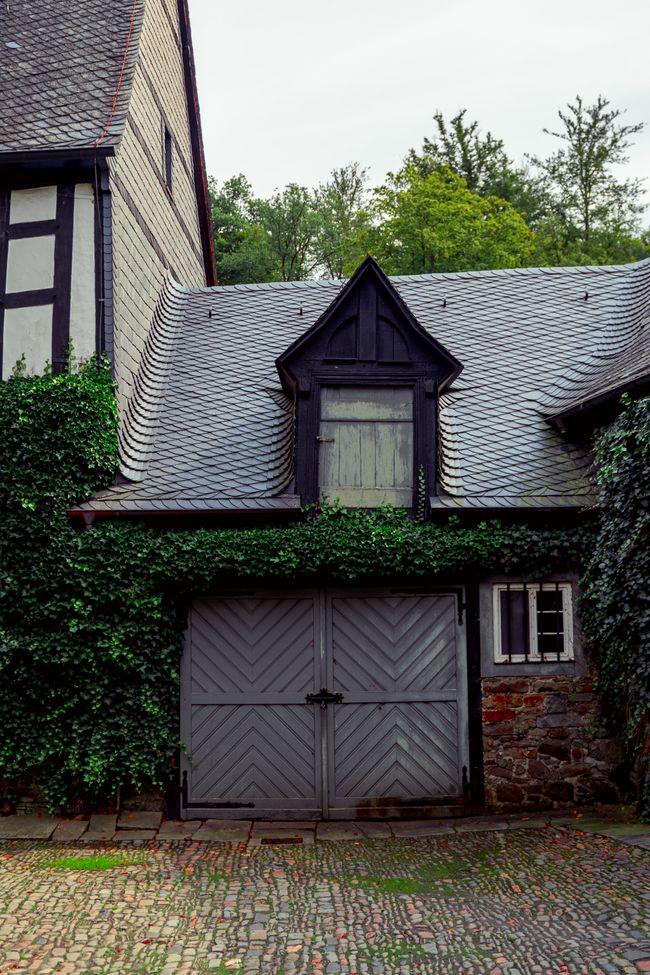
The garage door often takes up a larger share of a home's front-facing visual real estate than people realize, which makes style choice a real curb-appeal decision. Carriage-house styles with faux hardware suit craftsman and farmhouse homes throughout Clark County and the Portland metro. Clean raised-panel doors complement traditional and ranch-style homes. Flush, minimal-line doors fit contemporary builds well. Window placement, panel design, and color all interact with your home's existing trim and siding — it's worth looking at a few options against your actual house, not just in a showroom.
Budgeting for the full project
New garage door costs vary by size, material, insulation level, window and hardware options, and whether the existing track and opener can be reused or need replacing. Rather than estimate a number that won't reflect your specific door and home, we measure on-site and provide a clear quote before any work begins — see our repair and replacement cost guide for the factors that typically move pricing up or down.
When replacement makes more sense than repair
Not every aging door needs to be replaced. But if you're facing repeated repairs, a door that's significantly out of balance, visible rust or rot working through panels, or an opener that's straining against worn hardware, a new door often costs less over time than continuing to patch an old one — and it's a chance to improve insulation and curb appeal at the same time. We can walk through your specific door and tell you honestly whether repair or replacement makes more sense for your situation.
Same-Day Service Available Considering a replacement? We'll measure on-site and walk you through real options
Common questions
What's the most durable garage door material for Portland and Vancouver weather?
Steel and composite/fiberglass doors hold up best against the Pacific Northwest's steady rain and humidity — they don't absorb moisture or swell the way raw wood does, and quality steel doors come pre-finished with rust-resistant coatings. Wood and wood-composite doors can still look great here, but they need more upkeep (sealing and repainting) to perform well long-term.
Do I really need an insulated garage door if my garage isn't heated?
Yes, in most Northwest homes. An insulated door keeps the garage closer to the temperature of attached living space, which reduces how hard your walls and any rooms above the garage have to work, cuts down on condensation on cold surfaces, and makes the space far more usable as a workshop, gym, or storage area through the wet, cold months.
How much should I budget for a new garage door installation?
It depends heavily on size, material, insulation level, and window or hardware options — costs span a wide range from a basic single-layer steel door to a custom insulated carriage-house style. Our costs guide breaks down the factors that move the price up or down, and we always provide an on-site quote before any installation work begins.